
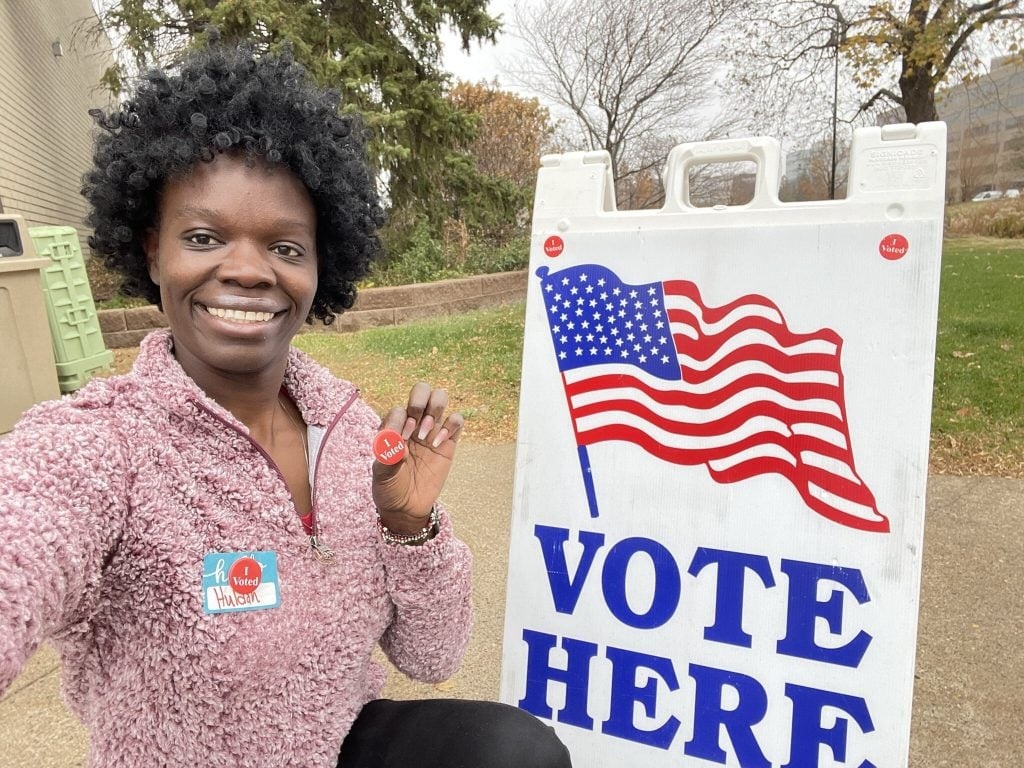
Midterms voting is underway across the United States in an election that will determine who controls Congress during the final two years of President Donald Trump’s term.
Millions of Americans are casting ballots on Tuesday, November 3, with all 435 seats in the House of Representatives, 35 Senate seats and a series of governorships and other state offices up for election. Republicans currently control both chambers of Congress.
Polling stations began opening early on the East Coast, starting in Vermont at 5:00am Eastern Time, before voting expanded across the country.
Also Read

Midterms could reshape balance of power
The congressional contests are particularly significant because control of either chamber could influence how much of Trump’s agenda can move through Washington during the remainder of his presidency.
Republicans hold a 53-47 advantage in the Senate. Democrats therefore need a net gain of four seats to secure a 51-seat majority, while Republicans could retain control with 50 seats because Vice President JD Vance would be able to cast tie-breaking votes.
The House is even more narrowly divided.
Republicans currently have 219 members caucusing with them, while two seats are vacant. A party needs 218 seats for outright control of the 435-member chamber.
That narrow margin means a relatively small number of closely contested districts could determine who controls the House.
Democrats seek control of Congress
Democrats are attempting to regain control of both chambers after spending the first half of Trump’s current term in the minority.
If they secure the House or Senate, they would gain greater power to block or reshape legislation proposed by the White House.
Control of congressional committees would also give Democrats greater authority to conduct hearings, issue subpoenas and investigate actions by the Trump administration.
Taking the Senate would additionally affect the confirmation of senior government appointments and federal judges.
Republicans, meanwhile, are seeking to preserve their congressional majorities and maintain their ability to advance the administration’s legislative programme.
Senate battle spreads to unusual states
Several Senate contests that were not initially expected to be highly competitive have become important to the overall balance of power.
Among the closely watched races are contests in Alaska, Kansas, Maine, North Carolina, Ohio and Texas, where Democrats have sought gains in Republican-held territory.
Republicans are also targeting Democratic-held seats, including Michigan.
Because Democrats need four additional seats, even a strong performance in several states may not immediately settle control of the chamber.
Economy dominates voter concerns
The Midterms are taking place against a backdrop of concern about the cost of living, foreign policy and political divisions.
A Reuters/Ipsos survey conducted ahead of Election Day found that 48 per cent of registered voters considered the cost of living their most important issue.
Concerns about democratic institutions were cited by 26 per cent, while immigration was the leading issue for 13 per cent.
The survey also found that nearly half of respondents said their household finances had worsened since Trump returned to the White House.
Foreign policy has also emerged as an issue, particularly over US military action involving Iran.
Trump a major factor in Midterms
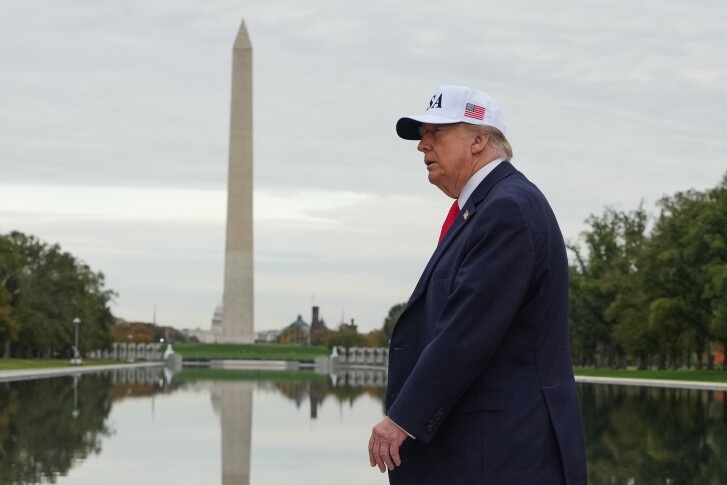
Although the president’s name is not on the ballot, the election is widely being viewed as an assessment of the first two years of his second term.
Reuters reported that Trump’s approval rating stood at 32 per cent in an October survey, remaining near the lowest levels of either of his terms.
A separate Reuters/Ipsos survey found 48 per cent of likely voters said their congressional vote was partly intended to express opposition to Trump, compared with 25 per cent who said their vote was intended to support him.
However, the final balance of Congress will depend on individual House and Senate races rather than national polling figures.
More than 50 million voted early
A significant proportion of Americans had already cast their ballots before polling stations opened on Election Day.
More than 50 million people voted early either in person or through mail ballots, according to figures reported by the Associated Press.
Early voting has become an increasingly important part of US elections, meaning millions of ballots may already be waiting to be counted when polling stations close.
Results could take several days
Americans may not know immediately which party controls Congress.
Election officials and major news organisations will begin reporting and calling races after polls close, but some competitive contests could remain undecided for several days.
The Associated Press says the timing will depend on how close individual races are and how quickly states process mail and absentee ballots.
California’s large volume of mail voting can slow House race results, while ranked-choice voting in states including Alaska and Maine can require additional counting rounds.
Recent elections have shown how long the process can take. In 2022, control of the Senate was not determined until four days after Election Day, while House control took eight days to establish.
Final two years of Trump presidency at stake
The outcome will shape the political environment in Washington through 2028.
A Republican-controlled Congress would leave Trump with a stronger path for advancing legislation and appointments, although divisions within the party could still affect individual proposals.
A Democratic victory in one or both chambers would produce divided government, giving the opposition greater ability to challenge the administration through legislation, budget negotiations and congressional oversight.
With the margins in both chambers potentially narrow, attention will remain focused on a relatively small number of competitive states and congressional districts as results begin arriving on Tuesday night.