

Forests have become the center of a growing public debate after images of logging in gazetted areas triggered concern over whether Kenya is losing valuable tree cover.
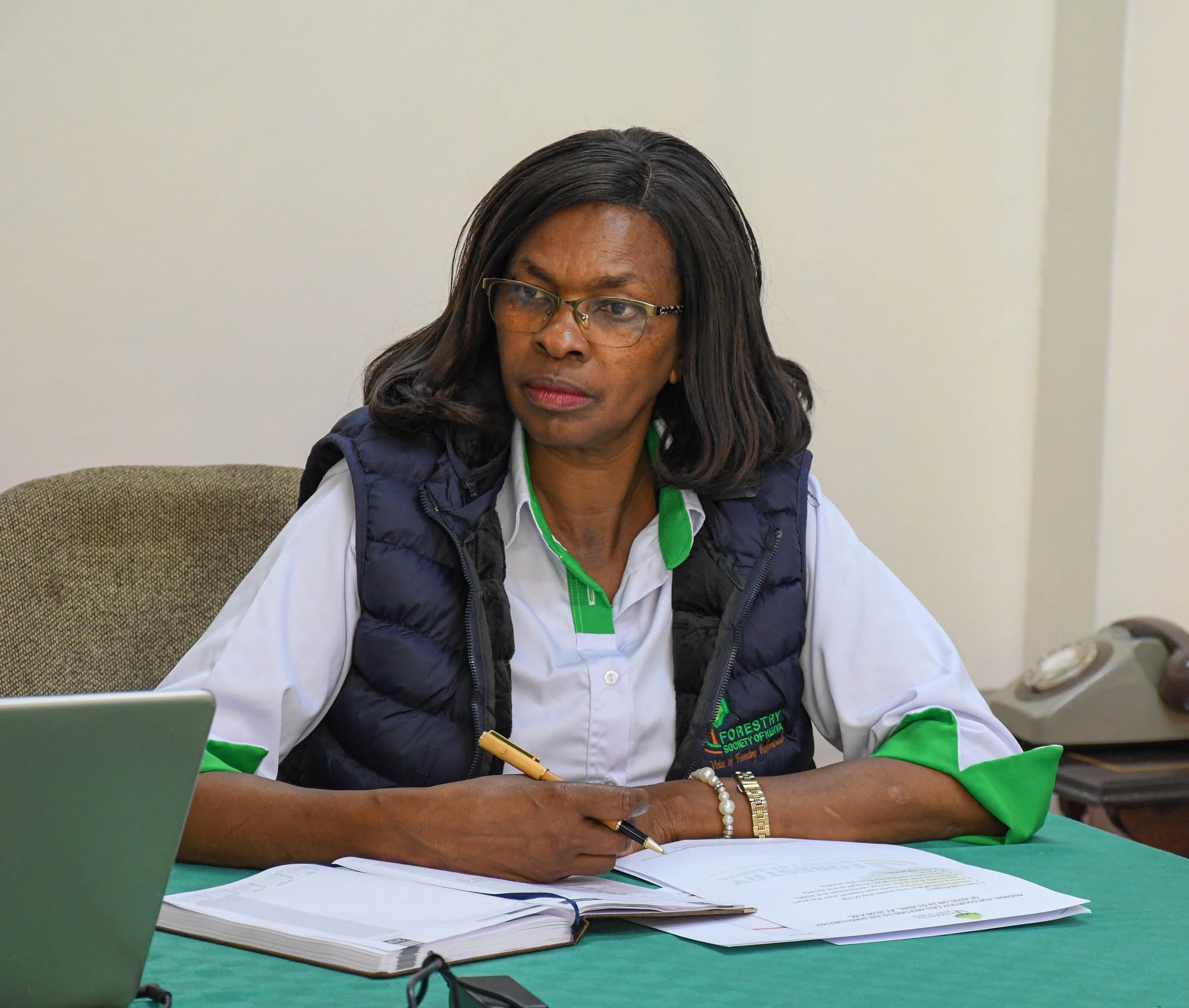
Forest Society of Kenya President Charity Munyasya has defended the harvesting of mature exotic trees, saying the process is planned and necessary to prevent commercially planted trees from rotting before they can be used.
Also Read


Forests contain commercial plantations
Munyasya said harvesting mainly targets exotic species such as pine, cypress and eucalyptus that were planted for commercial purposes.
She explained that such trees have a harvesting cycle of roughly 25 to 40 years, after which they can begin developing heart rot and lose their economic value.
According to her, leaving mature plantation trees standing indefinitely can result in wasted investment because the timber eventually deteriorates from the inside.
Public concern grows over logging images
The debate has intensified following reports and social media images showing logging activity in areas including Aberdare, Ngong and Imenti forests.
Pictures of trucks transporting logs and large cleared sections prompted criticism from members of the public who feared natural forests were being destroyed.
Munyasya said the images do not necessarily mean indigenous forest is being cleared.
She maintained that the harvesting programme applies to plantation areas rather than protected indigenous sections.
Indigenous forests remain protected
According to the Forestry Society, about 94 per cent of Kenya’s gazetted government forests consist of indigenous forest, while roughly six per cent is used for plantation forestry.
Munyasya said indigenous trees are not supposed to be harvested commercially and that unauthorized cutting is treated as illegal logging.
Forest rangers are responsible for protecting those areas from unlawful activity.
Forests and tree cover are different
Munyasya also highlighted the difference between tree cover and forest cover, saying the two are often confused in public discussions.
Tree cover refers more broadly to trees across the country, while forest cover focuses specifically on land classified as forest.
She said Kenya had reached 12.13 per cent tree cover by 2021, while forest cover stood at 8.83 per cent.
The distinction is important because Kenya’s constitutional target focuses on maintaining at least 10 per cent tree cover.
Debate likely to continue
The explanation is unlikely to end public scrutiny over logging in government forests.
Environmental concerns will continue to center on whether harvesting is properly monitored, whether plantation areas are replanted after cutting, and whether indigenous forests remain protected.
The debate over forests therefore goes beyond whether trees should be harvested and extends to how sustainably those resources are managed.