

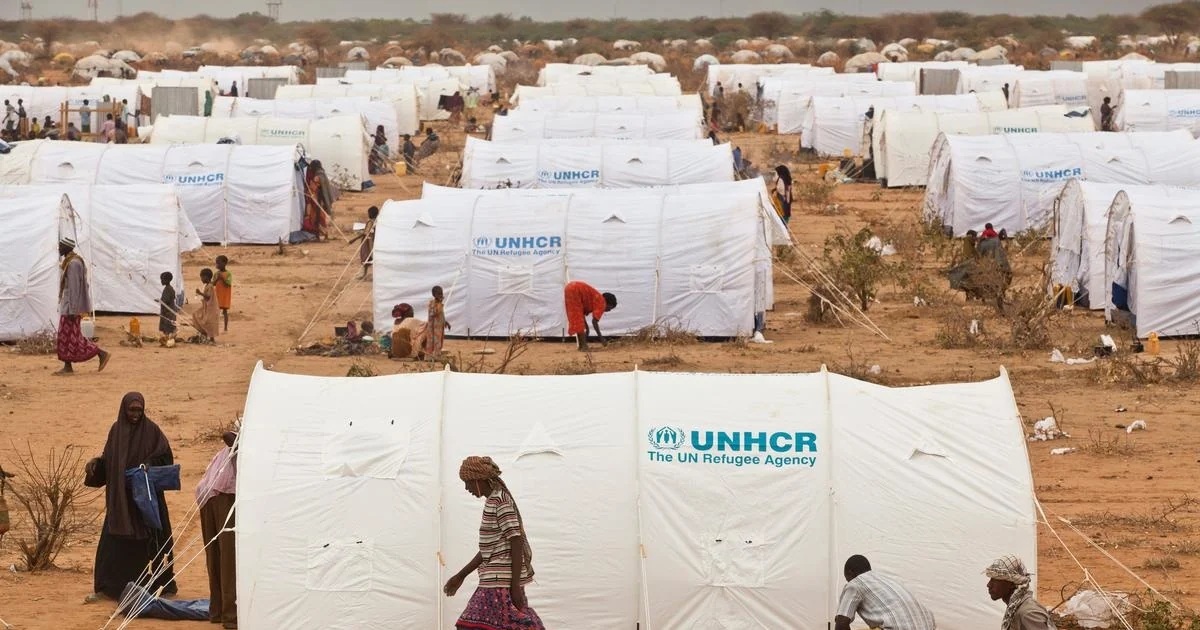
Refugees crossing from Ethiopia into Kenya have pushed humanitarian agencies to scale up emergency support in Moyale, with arrivals estimated at about 50,000.
The United Nations refugee agency says the number remains fluid as registration continues and more people are reported to be crossing the border.
Also Read



Refugees arrive in large numbers
Most of those entering Kenya are women and children.
Some are staying with relatives and host communities, while others have taken shelter in temporary spaces such as schools and churches.
UNHCR says the growing number of refugees is increasing pressure on basic services in the area.
Food has been identified as the most urgent need.
Humanitarian agencies are also prioritizing clean drinking water, temporary shelter, sanitation and medical care.
Refugees receive emergency supplies
UNHCR has already mobilized relief items for nearly 12,000 people.
The supplies include essential household items and temporary shelter materials.
The agency says assistance is being expanded as humanitarian needs continue to rise.
An emergency team has also been deployed to Moyale to coordinate the response with Kenyan authorities and other aid organizations.
Partners involved include the Department of Refugee Services, county authorities, the International Organization for Migration, UNICEF, the World Food Programme and the Kenya Red Cross Society.
Refugees may be moved away from border
Humanitarian agencies are also looking for safer accommodation for people who have fled violence.
UNHCR says it is working with the government and other partners to identify locations further away from the border.
The aim is to reduce exposure to insecurity while providing better access to basic services.
Ethiopia conflict drives new displacement
The latest movement of refugees comes as Ethiopia continues to face armed conflict in several parts of the country.
Fighting has affected areas including Oromia, Amhara and Tigray.
Renewed tensions in the north have added to fears of further displacement across the region.
The UN says continued arrivals into Kenya could increase pressure on local communities and humanitarian agencies if the situation worsens.