

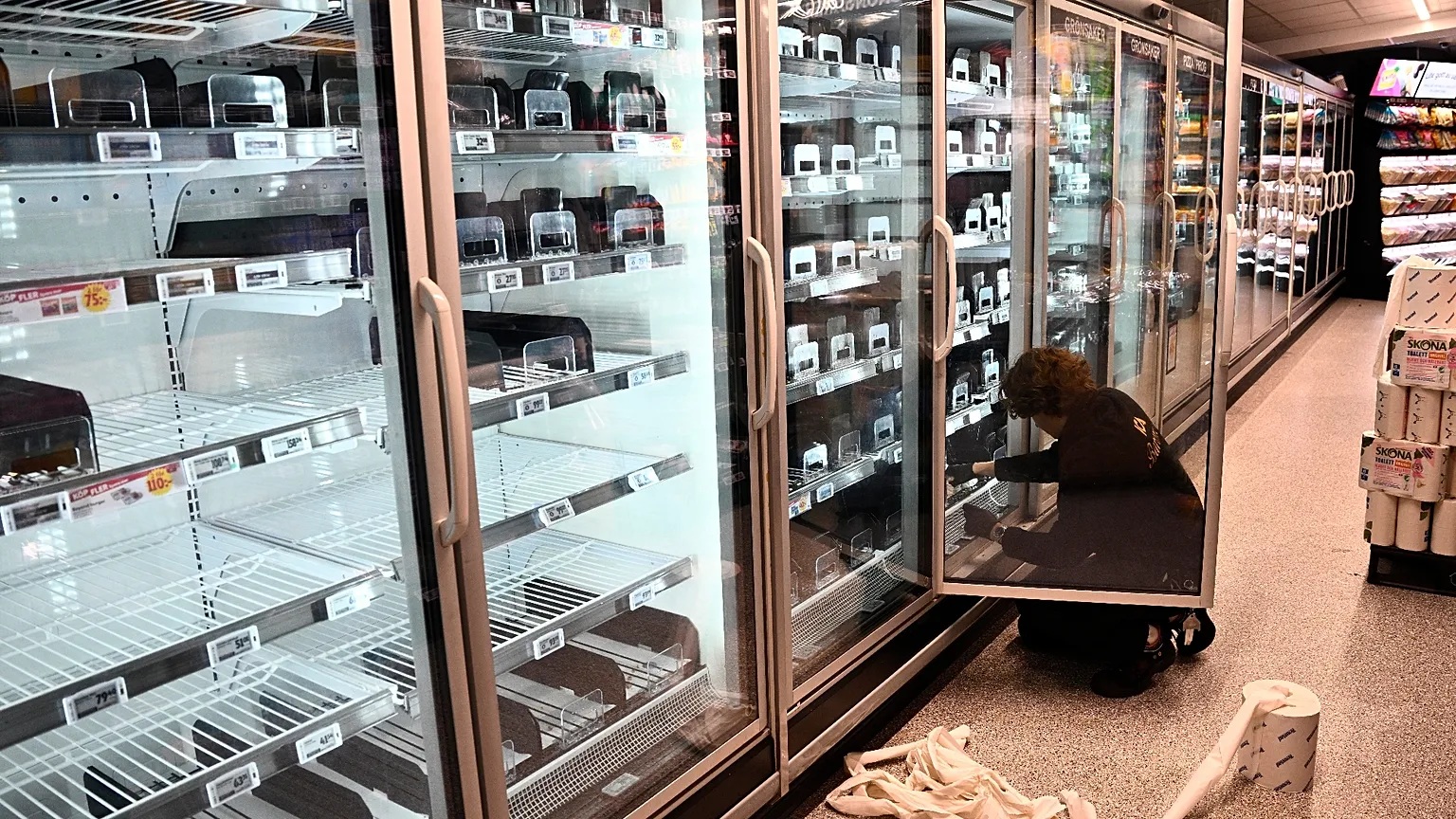
Cyberattack incidents targeting supermarket refrigeration systems have disrupted stores across several European countries, forcing retailers to remove chilled and frozen food after temperatures suddenly rose.
The latest problems were reported on Monday in Belgium, Sweden, Ireland, Luxembourg, Estonia and other parts of Europe, with some retailers confirming that hackers had interfered with remotely managed cooling systems.
Also Read



Cyberattack hits Belgian supermarkets
Belgium was among the hardest-hit countries.
Carrefour said around 15 of its 700 Belgian stores were affected, while Delhaize reported refrigeration problems in dozens of outlets. Ikea also confirmed that its store in Mons experienced a similar incident.
Some affected stores removed products from refrigerators and freezers as a precaution.
Belgian authorities have opened an investigation into the incidents as cybersecurity teams work to determine how the systems were accessed.
Fridge temperatures rise sharply
The attacks appear to have involved remotely changing settings on refrigeration equipment.
In Sweden, some stores reported temperatures rising dramatically, with one ICA outlet saying its fridges and freezers had been pushed to around 50 degrees Celsius.
The sudden increase forced retailers to discard food that could no longer be safely sold.
Cyberattack spreads beyond Belgium
Similar incidents were reported across several other European countries.
Irish retailer Musgrave said refrigeration systems at 13 SuperValu stores were affected, while businesses in Estonia, Luxembourg and the Netherlands also reported problems.
Swedish chains ICA and Coop were among those investigating unexpected temperature increases in their cooling equipment.
No group has publicly claimed responsibility for the attacks.
Earlier France attack raises wider concerns
The latest disruption follows a similar cyberattack in France in October.
Hundreds of supermarkets were affected after hackers interfered with refrigeration systems, forcing businesses to dispose of spoiled food.
Some of the affected equipment uses technology supplied by Danish company Danfoss.
Cybersecurity specialists have warned that older internet-connected refrigeration systems can become vulnerable if software is outdated or remote access is not properly secured.
Connected equipment becomes security concern
Modern supermarkets increasingly use internet-connected systems to monitor temperatures and manage refrigeration remotely.
While that technology can improve efficiency, the latest cyberattack has highlighted the risks of connecting essential equipment to online networks.
European authorities are now examining whether the incidents are linked and what additional security measures may be needed to protect food supply systems.