
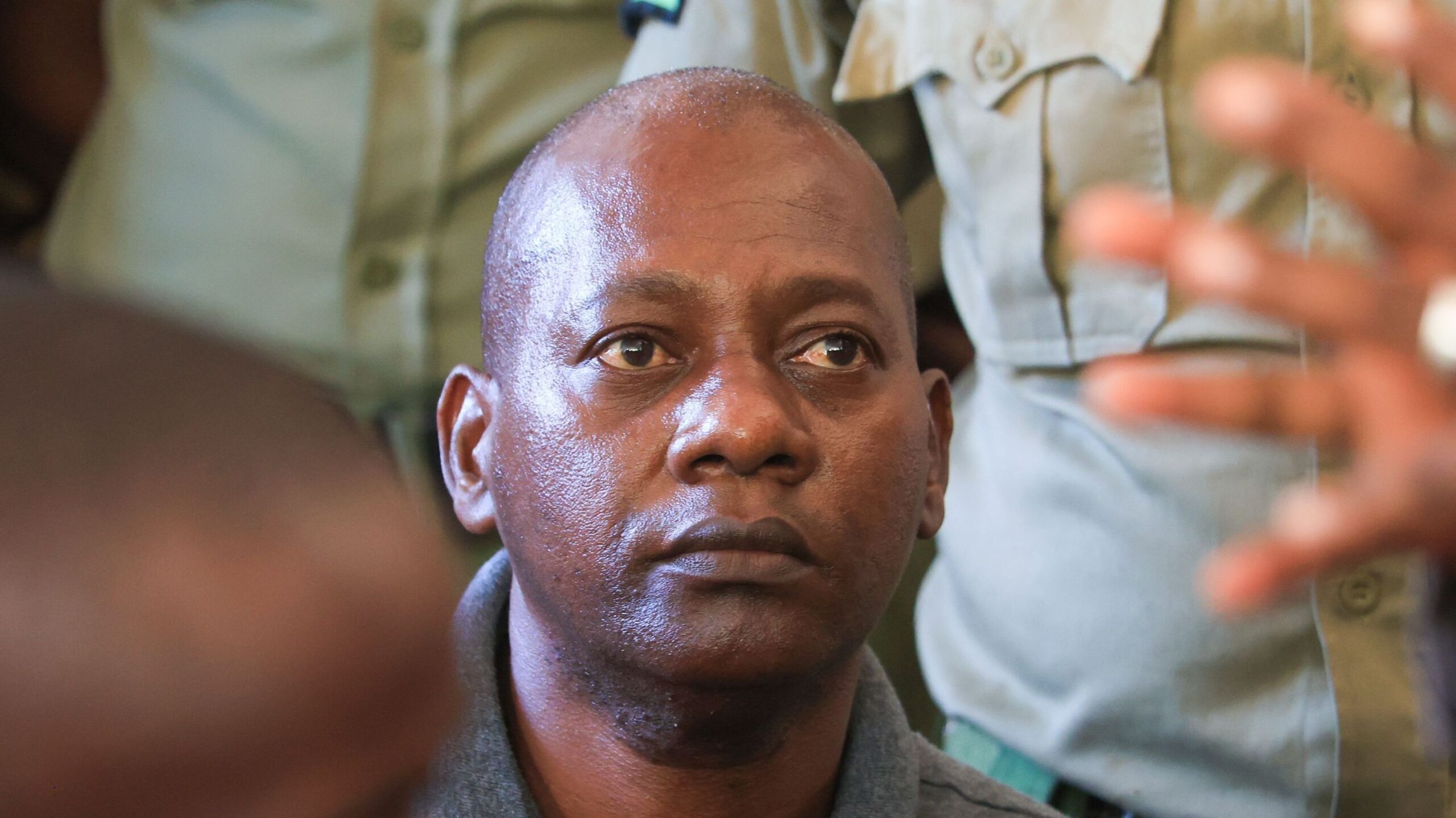
Mackenzie has been sentenced to 200 years in prison for the murder of 191 people in the Shakahola tragedy, bringing one of Kenya’s most closely watched criminal cases to a major sentencing milestone.
Justice Diana Kavedza handed down the sentence at the High Court in Mombasa on Friday, November 6, after Paul Nthenge Mackenzie was convicted alongside 28 co-accused last month.
Also Read



Mackenzie handed two 100-year terms
The court imposed 100 years for the deaths of 183 victims who were found to have died through starvation.
Mackenzie received another 100-year term for eight victims whose deaths were classified as direct homicide.
The two sentences will run consecutively, resulting in a total prison term of 200 years.
The judge said Mackenzie bore the greatest responsibility for the deaths after moving followers of his Good News International Church to the remote Shakahola area and directing them to fast.
190 children among victims
The murder trial covered the deaths of 190 children and one adult.
The court found that followers were subjected to prolonged fasting, while some victims were also beaten, restrained or prevented from leaving.
Mackenzie had denied forcing anyone to starve, but the court rejected his defence during the conviction.
Co-accused receive lengthy prison terms
Twenty-eight other people convicted alongside Mackenzie were also sentenced to different prison terms.
Assistant pastor Smart Mwakalama received 160 years, while other convicts were handed sentences ranging from 10 years upwards depending on their individual roles.
The court said the offences were carefully organized and noted the absence of remorse among those convicted.
Lawyers representing some of the accused have indicated that they intend to challenge the sentences.
Shakahola deaths shocked Kenya
The case came to national attention in 2023 when police began recovering bodies from shallow graves in Shakahola Forest near Malindi.
Investigations eventually uncovered 448 bodies in the area, although the current murder case involved 191 of those deaths.
The discoveries triggered widespread scrutiny of religious organizations and raised questions over how authorities failed to stop the activities despite earlier warning signs.
Mackenzie still faces separate cases
The 200-year sentence does not end Mackenzie’s legal troubles.
He is also facing separate proceedings involving additional deaths as well as terrorism, manslaughter, child abuse and torture-related charges.
A separate case involving 52 deaths has also been brought against him, which could push the overall suspected death toll linked to the Shakahola investigations to around 500.
Families call for justice
Relatives of the victims have continued to demand accountability over the deaths and assistance in identifying people who remain missing.
Some families had called for the death penalty, while others said no sentence could compensate for the loss of their relatives.
Kenya has not carried out an execution since 1987, despite the death penalty remaining available in law for certain offences.
The Shakahola case has since become one of the most serious criminal investigations in Kenya’s recent history and continues to influence debate over religious regulation, state oversight and protection of vulnerable followers.