
Alcohol laws in Kenya could become significantly stricter under a new Bill proposing to raise the legal drinking age from 18 to 21 and introduce a KSh2 levy on every litre manufactured or imported into the country.
The Alcoholic Drinks and Drugs Control Laws (Amendment) Bill, 2026, was read for the first time in the National Assembly on Thursday, November 5, beginning the parliamentary process that could lead to major changes in how alcoholic drinks are sold, advertised and regulated.
Also Read



Alcohol age limit could rise to 21
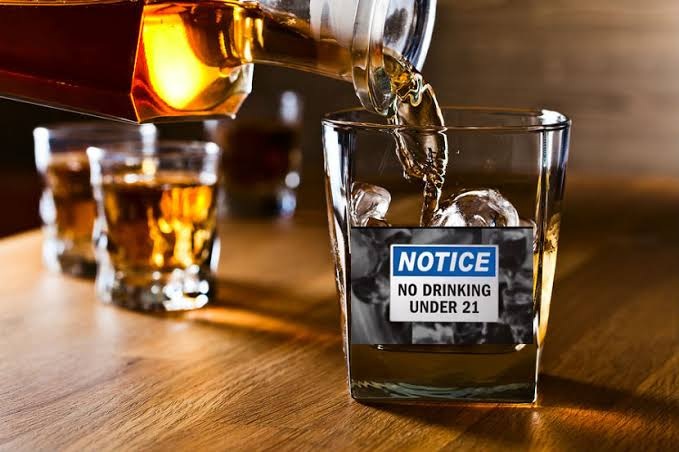
One of the most significant proposals is to increase the minimum age for purchasing and consuming alcohol from 18 to 21.
National Assembly Majority Leader Kimani Ichung’wah argued that the higher age limit would help protect young people from the risks associated with early alcohol consumption.
If approved, licensed premises would also be barred from admitting anyone below 21, whether alone or accompanied by an adult.
Businesses would therefore have to strengthen age-verification measures if the Bill becomes law.
KSh2 levy proposed for every litre
Manufacturers and importers would also face a new KSh2 charge for every litre of alcoholic drink produced or brought into Kenya.
The money would be paid to the Kenya Revenue Authority and directed into an Alcoholic Drinks Control Fund.
At least half of the annual income generated through the fund would finance the proposed National Alcoholic Drinks Control Committee, while at least 15 per cent would support civil society programmes addressing alcohol and drug abuse.
The Bill does not state whether manufacturers would absorb the levy or pass the additional cost to consumers.
Online sales and home deliveries targeted
The proposed legislation would also prohibit several methods currently used to sell alcohol.
Online sales, courier deliveries, home delivery, hawking and vending-machine sales would all be banned under the proposals.
Alcohol transport for distribution would also be limited to between 6am and 6pm.
The changes could have significant implications for bars, retailers, delivery companies and online platforms that currently offer alcohol ordering services.
Outlets near learning institutions face restrictions
The Bill retains a 300-metre restriction around learning institutions but changes the age threshold associated with the rule from 18 to 21.
That means the restrictions could apply more broadly to institutions attended by students below 21, potentially extending their effect beyond primary and secondary schools.
County governments would remain central to licensing alcohol outlets, with new county committees proposed to map premises and determine the number and categories of licences issued.
Tougher penalties proposed
Violations of the Alcoholic Drinks Control Act could also attract much heavier punishment.
The general maximum fine would rise from KSh500,000 to KSh10 million, while imprisonment could increase from three years to as much as five years.
Some specific offences would continue to attract separate penalties depending on the violation.
Bill not yet law
The proposals have only reached the first stage of parliamentary consideration and are not yet legally enforceable.
The Bill must proceed through committee scrutiny and public participation before MPs vote on it.
Because parts of the legislation affect county functions, it would also require consideration by the Senate before being sent to the President for assent.
If ultimately approved, the measures would represent one of the most significant overhauls of Kenya’s alcohol-control framework in recent years.