

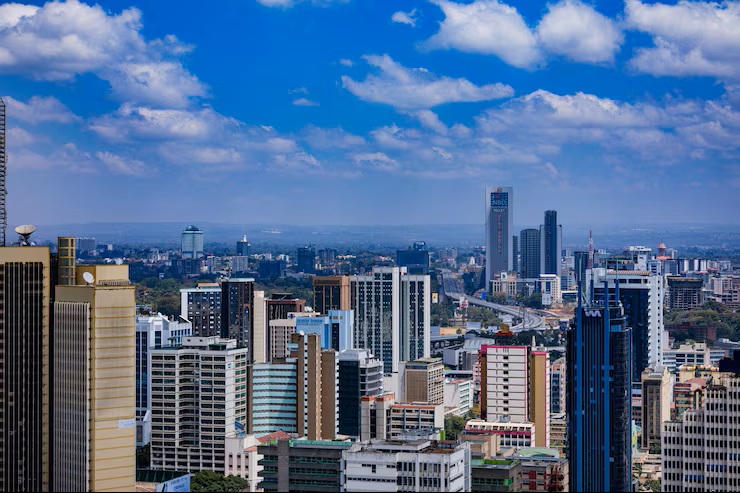
Housing development in Nairobi and other major cities could accelerate if Kenya relaxes building-height restrictions, with the World Bank warning that strict limits are constraining urban growth and pushing expansion outward.
The lender says overly strict development controls can force cities such as Nairobi to spread outward instead of making better use of limited urban land.
Also Read



Housing growth linked to taller buildings
In its Sub-Saharan Africa’s Urban Awakening report, the World Bank argues that allowing more vertical development in selected areas could create room for additional residential units.
It says taller buildings could also make it easier for more people to live closer to jobs and essential services, particularly in densely populated cities.
The recommendation does not call for the removal of all construction rules. Instead, it focuses on easing limits in places identified for planned urban development.
Nairobi already uses zoning controls
Nairobi’s planning framework sets different height and density limits depending on location.
The 2026 Development Control Policy allows the tallest developments in the Central Business District and Upper Hill, while other areas such as Eastleigh, Ngara, Pangani and sections along Thika Road have lower limits.
County officials have said new developments should also be assessed against the capacity of roads, drainage, sewerage and water systems.
Infrastructure concerns remain
The push for more housing has also raised concerns among residents in parts of Nairobi.
Critics of rapid high-rise development have warned that taller buildings can place additional pressure on already stretched roads, sewerage networks, drainage systems and water supplies if infrastructure is not upgraded at the same pace.
The Supreme Court has previously stressed that decisions on building heights and zoning require technical assessment by the relevant planning authorities.
Housing debate likely to continue
The World Bank’s recommendation adds to the wider debate over how Kenya should accommodate growing urban populations while keeping cities liveable.
Higher-density development could help increase available homes, but implementation would still depend on planning rules, infrastructure capacity and local approval processes.
The challenge for authorities will be balancing the demand for housing with safety, transport, sanitation and environmental needs as cities continue to expand.